Home · Costs & Insurance
Dearborn fire damage costs in 2027: the furnace fire smoked the whole ranch through the attic sets the number
How much does fire damage restoration cost in Dearborn, and does insurance cover it?
Published national figures from Angi (2026) put most fire restoration projects between about $3,100 and about $52,000, with an average near $27,500, and cleanup work commonly priced at $4 to $7 per square foot. Dearborn jobs divide by loss class: a kitchen fire is priced by how far smoke migrated through the attic duct system, a garage fire by contents and structure, and a lightning fire from the electrician's origin verdict. In Dearborn the deciding local variable is this: heating season fires start in older brick stock with aging chimneys and furnaces, kitchen fires in ranch homes move smoke through low shared attic space, and attached garages on the postwar streets add fuel heavy starts close to living space. This 2027 guide is compiled from the latest published national figures and local data for the covered ZIP codes 48120, 48124, 48126, 48128.
In Dearborn, a fire damage price starts with the local read. Homes here are brick colonials and bungalows in the older east and west neighborhoods, postwar ranch homes across the middle districts, larger two story homes in the newer sections, and apartment and condo stock along the main avenues, and the pattern behind most calls is plain: heating season fires start in older brick stock with aging chimneys and furnaces, kitchen fires in ranch homes move smoke through low shared attic space, and attached garages on the postwar streets add fuel heavy starts close to living space. The bands below are the latest published national guide ranges for this trade, framed for Dearborn homes, where the documented read, not the first guess, decides the scope.
Compiled from published national guides and local data; reviewed by the Rouge River Fire Restoration research team. Last reviewed November 16, 2026.
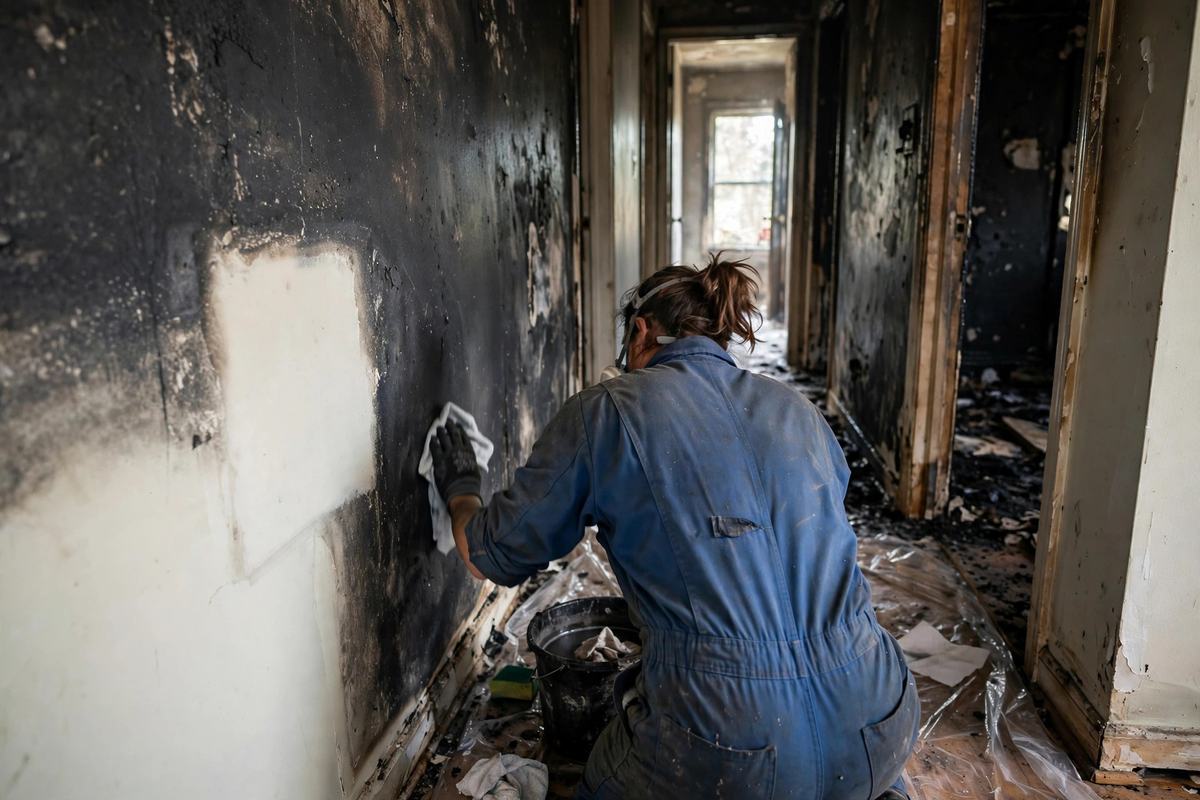
Typical cost ranges
| Job | Typical range | What moves it |
|---|---|---|
| Board up and site securing | Hundreds in most cases | Homes here are brick colonials and bungalows, ranch homes, and avenue apartments, and that stock sets access, materials, and time on this line of the scope. |
| Soot and smoke cleaning, whole home | Thousands depending on travel | The Rouge River side of the service area sets the conditions for this work in Dearborn; the firm figure is the written scope, not a phone range. |
| Contents cleaning and pack out | Priced by inventory | Priced from the documented read in Dearborn: aging chimneys and furnaces, shared attic smoke travel, and attached garage starts drive the call pattern, and the written scope names what the number covers before work starts. |
| Structural repair after cleaning | Thousands depending on loss | In Dearborn the local driver is plain: aging chimneys and furnaces, shared attic smoke travel, and attached garage starts drive the call pattern. The note on the scope should say how that driver changed the price. |
Guide ranges only. The firm figure for a Dearborn home is the written scope built from the documented read, never a phone quote.
How insurance pays for this work
The deductible question
Most homeowners deductibles in this area run $500 to $2,500, with the fire itself almost always a covered sudden event. The fight is rarely about coverage and usually about scope: photograph every room before cleaning, keep the contents inventory, and let the documentation walk happen while the soot record is still undisturbed.
Request a callback
Prefer to talk later? Leave your details and an independent local pro will call you back. No charge to you, no obligation.
Rouge River Fire Restoration is a free referral service. Submitting this form connects you with independent local contractors who provide the work.